
P
Profound Autism
Latest post
Posts

My nonverbal son is 18 now. If you’re scared to send yours to school, I get it.
I still remember dropping my nonverbal son off for kindergarten. His backpack looked huge on him. I got back in the car and cried. It wasn’t about academics. It was the fact that he couldn’t tell me about his day. He couldn’t say if he was scared, overwhelmed, hungry, or misunderstood. At home, I knew his cues. I knew when pacing meant anxiety and when shutting down meant overload. At school, I had to trust strangers to learn his language. Not everyone did at first. There were hard days. On days

00

How do you balance caring for your autistic child and your own free time?
My son was diagnosed with profound autism, and he is my whole world. He is funny, intense, brilliant in his own way, and yes, I truly believe our kids have special powers. I don’t like framing it as “special needs.” He experiences the world differently, deeply. But I’m tired. I feel like I have centered my entire life around him therapies, routines, sensory needs, advocating, planning, anticipating meltdowns, celebrating small wins. My brain is always “on.” Even when he’s calm, I’m scanning for

10
It’s been rough but my 6-year-old is adjusting to school
I dropped my son off for his first days of school thinking I had my mom game face on. Spoiler: I didn’t. He clung to my hand, eyes wide, taking in the classroom like it was another planet. Other kids were chatting, unpacking, already in the groove. My boy just stood there overstimulated, unsure, trying to figure it out. It broke my heart a little. Not because I doubt him, but because I know the world doesn’t always move at his pace. School is loud, structured, full of social cues he doesn’t natu

10
Why do people talk to me so harshly just because I can’t speak?
I’m nonverbal. I struggle to speak, and most days I communicate by typing, gestures, or just sitting quietly. I need to vent because this really hurts and I don’t know if it’s just me being sensitive, or if people actually talk to me harshly. Sometimes people act frustrated with me like I’m being difficult on purpose. They rush me, raise their voices, sigh, or use sharp words when I can’t respond fast enough. And here’s the thing, I can’t just jump in and explain myself. I can’t defend or clarif

10
How do nonverbal people set physical boundaries?
This is something I’ve been struggling with a lot. In group therapy, people sometimes touch my shoulder without asking, and it makes me really uncomfortable. I don’t like it at all, it feels invasive, and it stresses me out. When we go on trips, like to the farm, it’s even harder. Carrying a communication book, paper, or whiteboard isn’t practical, and sometimes I forget to bring them. That means there’s no easy way for me to say, “please don’t touch me,” and people just assume it’s okay. Small
10
Does anyone else feel exhausted by constant praise for basics?
I’m nonverbal, and this really gets under my skin sometimes. People praise me for things that feel completely normal to me things I do every day and it just… doesn’t feel like praise. It feels like they don’t see me, they just see a checklist of what they think I shouldn’t be able to do. For example: Brushing my teeth on my own. “Wow, good job!” Like, yeah… I do this literally every day and getting dressed in the morning. Again, normal stuff. I’m not asking for a medal here. I get that people me
00
My 5-year-old just said “thank you” for the first time
I just have to share this little win. My son is 5 and nonverbal he’s never really used words the way other kids do. But today… today he said “Thank you.” It was so small, just a soft little voice, but it felt huge. He’s still mostly nonverbal, still flaps his hands when he’s excited, still prefers his routines and his favorite toys, but this moment reminded me that he is communicating in his own way. It’s easy to get caught up in milestones that other kids hit, or to feel frustrated when progres

10

Is anyone else in constant burnout from masking?
I’m an autistic guy in my early 30s with a regular office/tech job. Most days start the same way: I wake up already tired, get ready, and tell myself to just get through the day. At work, I’m “on” the entire time. In meetings I watch my face, my tone, when to nod, when to speak. I force small talk. I ignore the noise and the constant pings. I try to look engaged on Slack even when my brain feels fried. Nobody notices anything is wrong, which I guess means the masking is working. By the time I ge

10
Never trust your thoughts and what that does to a person
When you live with profound autism, that message doesn’t feel like guidance. It feels like the ground is disappearing. If you can’t trust your own mind, what are you supposed to stand on? I already struggle to process the world. I miss cues, fixate on details, and replay conversations trying to understand what went wrong. So when people say things like “you’re overthinking” or “that’s not how it happened,” it doesn’t calm me, it makes me question everything. My feelings, my memories, even my rig

10
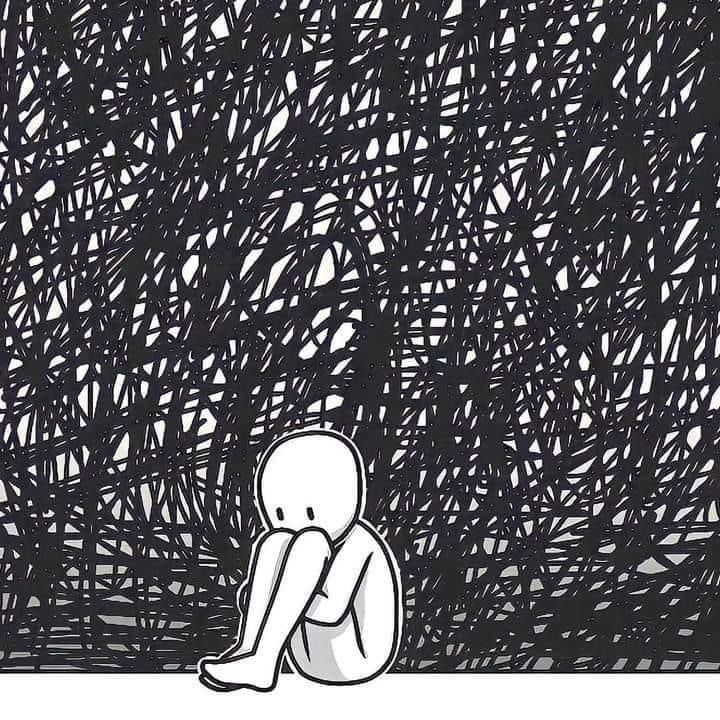
When routines break and sensory overload hits, my whole body feels it
I don’t think people realize how physical routine changes and sensory overload can feel when you’re autistic. When my routine gets disrupted, it’s not just inconvenient, it feels like my nervous system hits full panic mode. My brain locks up, my chest tightens, and suddenly everything feels harder. Even small changes, like plans shifting or timing being off, can throw me completely off for the rest of the day. Sensory stuff isn’t a “pet peeve” either. It’s intense. Bright lights don’t just annoy
10
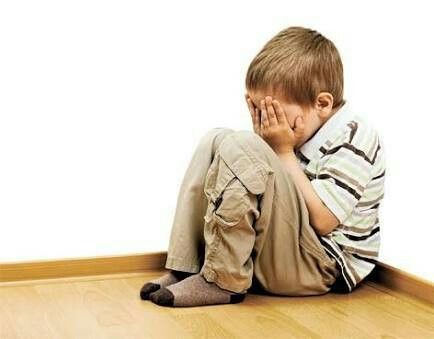
My nonverbal autistic son melts down when he hears “no,” and I feel like I’m failing him
I am struggling t understand my son, and one of our biggest daily struggles is the word no especially when it comes to food. My son loves chips. Not just chips in general, a specific kind, a specific bag. If it’s not exactly what he expects and I say “no,” everything escalates fast. He melts down, screams, throws things, and sometimes becomes aggressive. I know it’s not manipulation. I know it’s not “bad behavior.” But living through it is still exhausting and heartbreaking. Because he’s nonverb
10
I used to panic when my son head-banged but now I understand why.
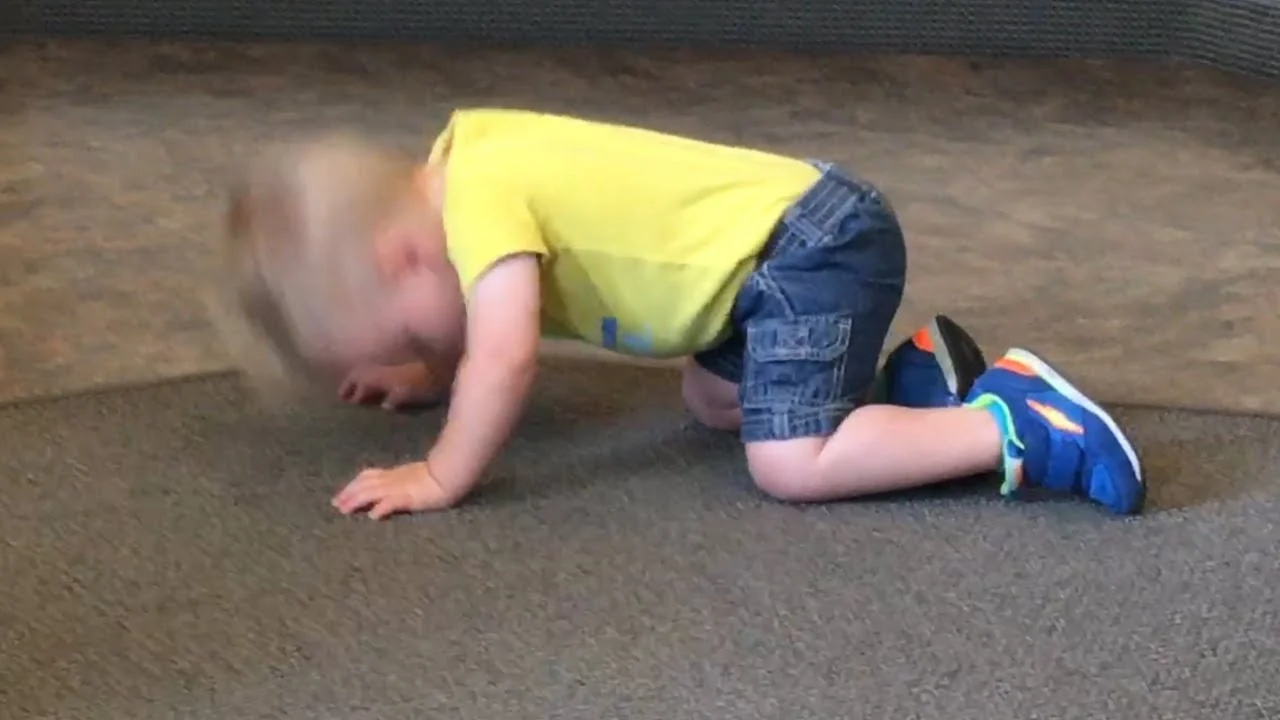
For my son, head-banging is the final sign that he’s overwhelmed. Before it happens, I usually notice one clear change: his body stiffens and his frustration spikes, especially during transitions or when I ask him to stop something he enjoys. The head-banging itself isn’t aggression or defiance. It’s overload. When his nervous system is pushed past its limit, that intense physical input is his way of coping. What helped us most was prevention. I started teaching calming skills when he was alread
10
How a slight change in my sleep schedule can turn my night upside down
Some nights feel like my brain simply refuses to sleep because the world shifted, even just a little. I have profound autism, and for me, small changes aren’t small at all, they’re earthquakes. A bedtime ten minutes later than usual or a different room can leave me anxious, restless, and sometimes on the edge of a meltdown. Staying at a relative’s house is one of the hardest tests. The bed feels wrong, the sheets smell unfamiliar, the lights are brighter, and the room doesn’t smell like home. My

10
I still remember the first day my son took a bath by himself
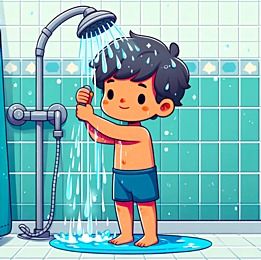
For a long time, bath time was a full-support situation. Every step needed help. Turning on the water, checking the temperature, washing, rinsing, and making sure everything felt safe and predictable. It wasn’t something we questioned, it was just part of our everyday life as a family. That morning started like any other. Same routine, same expectations. I was already mentally preparing to guide him through the whole process when he looked at me and said, very simply, "I can do it." I paused, pr
10
Does anyone else feel this weird fear of time at the start of a new year?
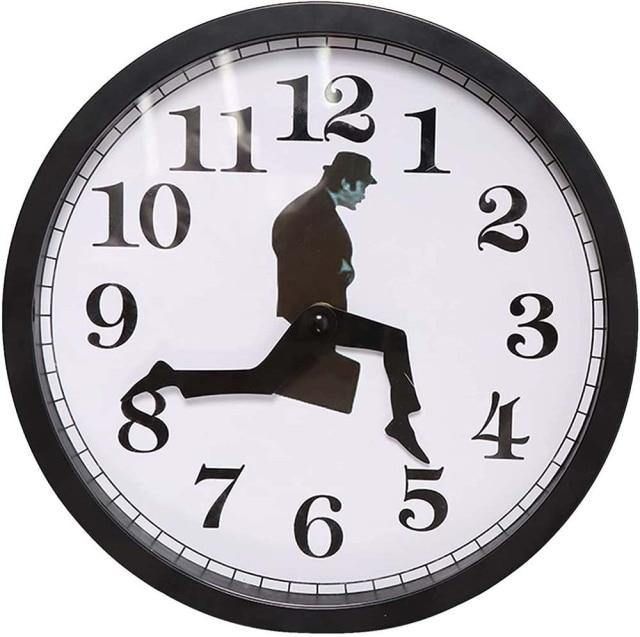
Sometimes I feel afraid of time not in a dramatic way, but in a quiet, constant one. Now that we’ve entered a new year, it feels like everyone’s expectations suddenly reset to “high.” New goals. New timelines. Big plans that are supposed to magically work out because the calendar changed. And while part of me wants to be hopeful, another part of me feels a tightness around time itself. What scares me isn’t effort, it’s accountability. The feeling that time is watching. That months will pass and
10
Surrounded by people at Christmas... still unsure how to connect
There were a lot of people who came home for Christmas, but meeting new people sometimes feels incredibly difficult… I don’t know why, but even when I’m surrounded by others, I still feel completely separate from them. I can confirm that the older I get, the harder this seems to be. The holidays make it more obvious. Everyone talks about catching up, parties, and reconnecting, but most of those interactions feel loud, fast, and surface-level. I can be physically present and still feel like I’m n

10
I love my son more than anything, but I’m terrified of the moments when I’m not there
My son has autism. Caring for him isn’t a role I step into and out of, it’s constant. It’s 24/7. Like so many parents and caregivers, I’ve put careers on hold, relationships on pause, and my own well-being somewhere at the bottom of the list. I did it willingly, because he is my child, and I love him more than words can explain. But here’s the part I don’t say out loud very often: I’m scared of the moments when I’m not there. I worry about the spaces I can’t control, a classroom, a care facility

10
Moving, traveling, new places is where I struggle most...
Growing up, most of my nightmares were about moving from one place to another. Packing up, sleeping somewhere unfamiliar, being in a space that didn’t feel “right.” Even as a kid, change felt overwhelming in a way I couldn’t explain. One memory that sticks with me where family trips. Everyone else seemed excited, but I was restless, moody, and completely unable to focus. The sounds were different, the smells, the heat, the routines, all of it felt like too much. I didn’t know why I felt that way
00
How I’ve learned to make and Keep friends... (read the tips below)
I was diagnosed at a very young age. I’ve lived my whole life knowing that friendships don’t come naturally to me, and for a long time, I believed they just weren’t meant for people like me. I want to be honest and simple here: making friends has never been about suddenly becoming good at socializing. For me, it has been about structure, patience, and lowering expectations. Here are a few things that have helped me over the years:First, I stopped looking for “instant friends.” Most friendships d

10
Things I’ve learned communicating with son (Hope this helps another parent out there)
When he was younger, I could never understand why trips to Target ended in meltdowns. One day he covered his ears and squeezed his eyes shut and said, “It’s too much.” That was when I finally slowed down and realized the lights, the noise, the smells everything I barely noticedn were overwhelming for him. I also learned that vague language didn’t work. If I said, “We’re leaving soon,” he’d panic. But “We’re leaving in 10 minutes” gave him clarity and calm. Simple adjustments made huge difference
10

Grateful for my family that didn’t treat me like a problem
I’ve seen so many stories on Reddit, TikTok, everywhere about families who treat autistic people like they’re a problem. And honestly, it makes me realize how lucky I am, because my experience has been the complete opposite. I deal with sensory overload, shutdowns, needing routines, hand-flapping, pacing the whole mix. Some days it feels like my brain is full volume while the world won’t turn itself down. But my parents never made me feel “too much” or “embarrassing.” My mom always noticed the l

00
December Is Finally Here 🎄
December, the last month of the year has officially arrived. And honestly, looking back from January to now, 2025 has been a rollercoaster. Ups, downs, wins, losses… all of it. But even with everything that came my way, I’m genuinely grateful. Grateful for life, for provision, and for the fact that my family and parents have been kept safe and well this year. That alone means everything to me. As we close out 2025, I just wanted to wish everyone a happy new month. Whether this year treated you g

10
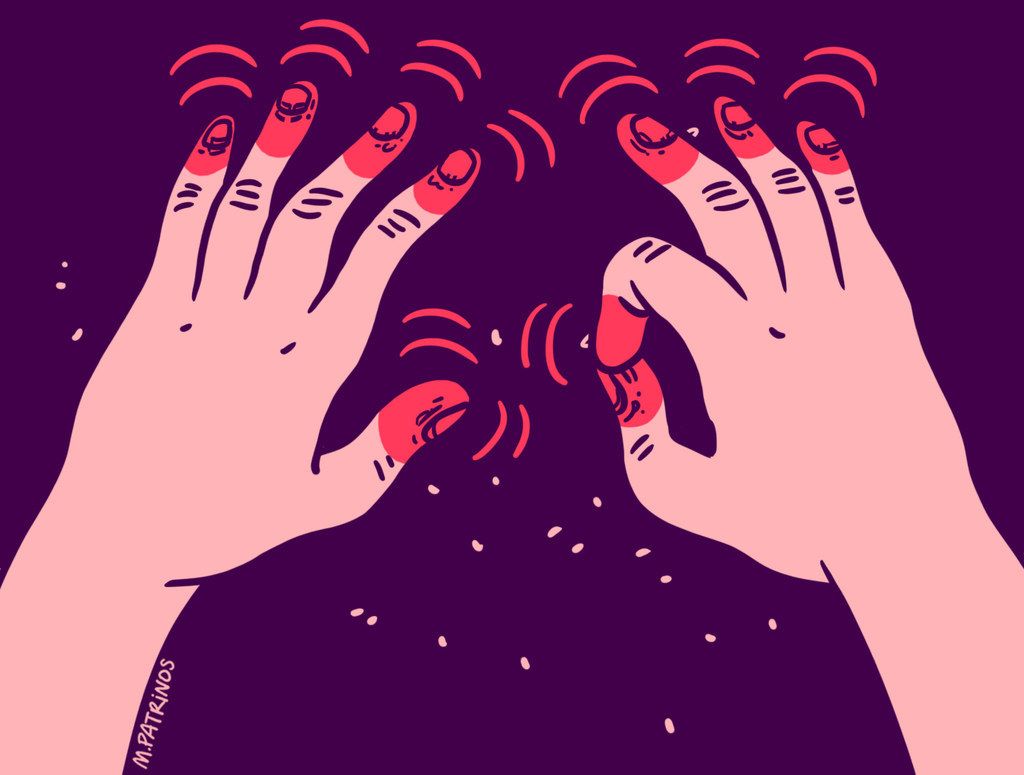
My 8-year-old won’t stop picking at his skin — here’s what finally started helping us
I never imagined something as small as nail and skin picking would become such a big part of our daily life, but here we are. My 8-year-old, who’s autistic, started picking to the point of bleeding sometimes without even realizing he was doing it. At first it scared me, then it frustrated me, and now I’m learning to see it for what it really is: communication. For him, picking isn’t about “bad behavior.” It’s a sensory and emotional response his way of coping when things feel too big, too loud,
10
you’re not alone, and you never were...
Being an autistic woman can feel invisible. We feel everything deeply yet we’re told we’re “too much,” “too quiet,” or “too sensitive.” So we mask, perform, and lose pieces of ourselves trying to fit in. I was diagnosed late, after years of wondering why connection felt so hard. Why honesty pushed people away. Why I kept shrinking to be accepted. If that sounds familiar, you’re not broken. You’re not cold. You’re not hard to love. You’ve just been misunderstood in a world that doesn’t always val
00
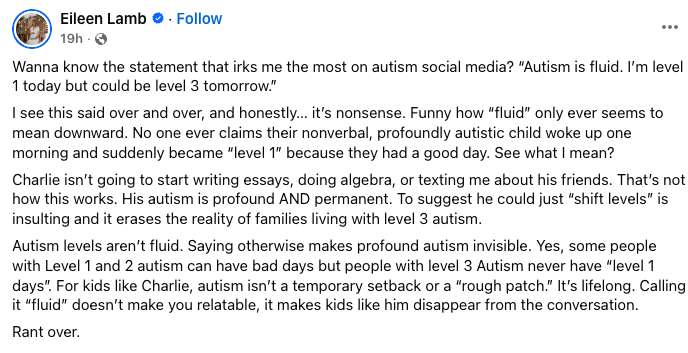
A take on autism “levels” that’s starting a lot of conversations.
This post argues that calling autism “fluid” can erase the experiences of families living with profound, level 3 autism. It highlights that while people with level 1 or 2 may have good and bad days, profound autism is permanent and not something someone “shifts” out of. What do you think? Are autism levels misunderstood or oversimplified in online spaces?
00
won't forget the day my son said, “it’s quiet, mommy.”🎧
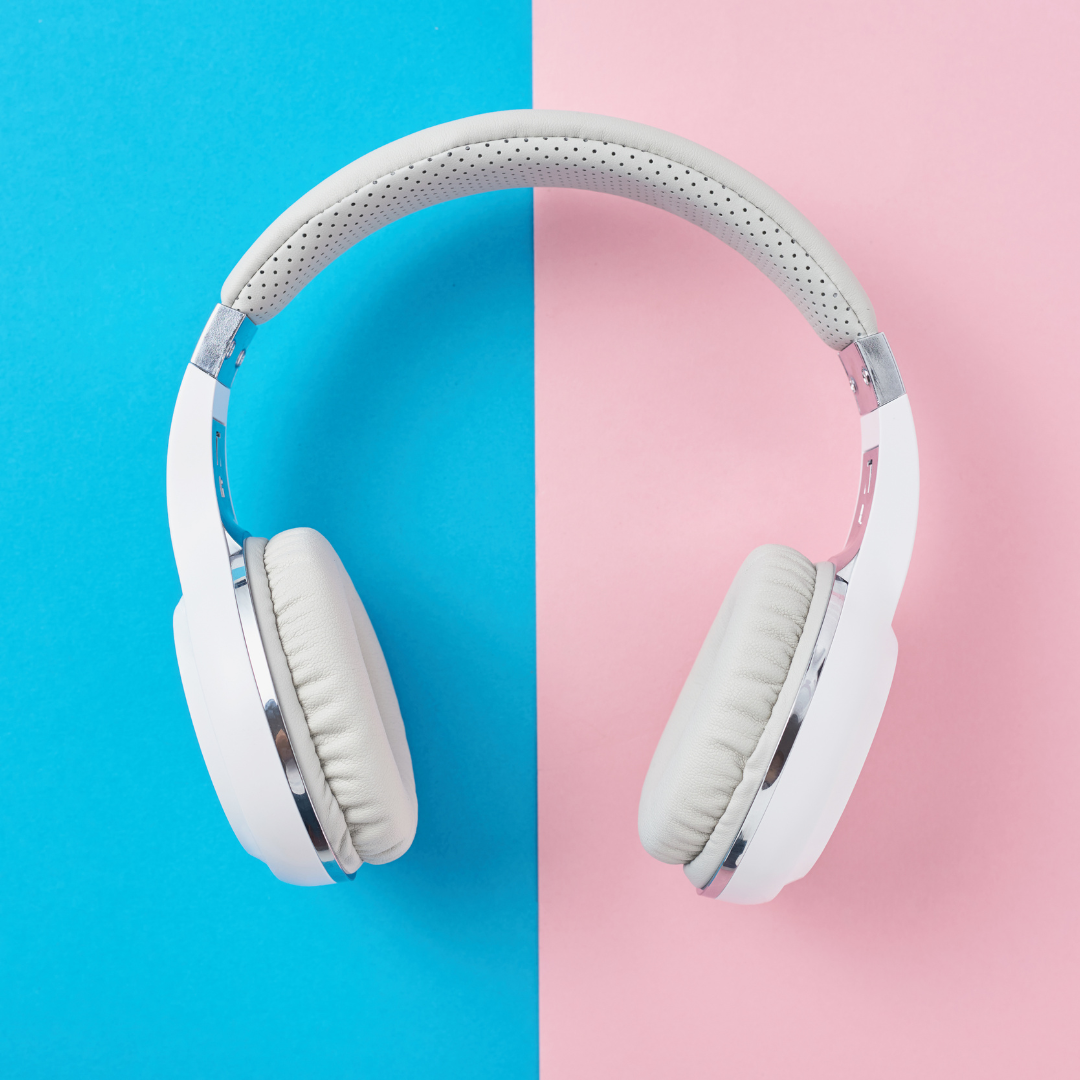
When my son was around 4, every loud sound felt like an attack to him vacuums, traffic, even the blender. He’d cover his ears, cry, and hide. Now he’s 6, and while we’ve learned to predict and manage meltdowns better, sound sensitivity is still a big part of our lives. We tried everything earmuffs, cheap headphones, even DIY fixes. Nothing worked for long. He’d say, “It’s still too loud, Mommy,” and my heart would break a little each time. Then we tried noise-cancelling headphones. The first pai
00
Does anyone else literally feel like they can’t talk sometimes?
It’s the strangest thing there are moments when I want to speak, but it’s like the words just get stuck somewhere between my brain and my mouth. Especially around new people or in public. My throat tightens, my chest feels heavy, and even though I know what I want to say… nothing comes out. It’s not shyness exactly. It’s like my whole system shuts down. My body says “nope, not safe” even when my mind says “just talk.” Then when I’m back with someone I trust like family, a close friend, or even o
10
Sometimes I just wish connection didn’t depend so much on words
I’ve always thought talking is such a strange way to connect. Everyone seems to expect that communication has to come with words eye contact, smiles, quick responses like it’s some kind of performance. But honestly? It’s exhausting. What I really crave are those moments when you can just be next to someone quietly, comfortably. No pressure to fill the silence. Just existing together. I love when I’m with someone and we’re doing something simple drawing, walking, listening to music and there’s no

110
Being a mother to an autistic extrovert is both beautiful and exhausting
My son is 8, and he’s what I’d call an extroverted autistic. I didn’t even realize that was a thing until a few years ago I used to think all autistic kids preferred quiet or alone time. But not him. He thrives around people. He lights up when there’s company. He’ll talk endlessly to strangers in the supermarket line or ask the neighbors if they want to play board games. The hard part? People often misread his energy. They think he’s being “too much,” “too loud,” or “too familiar.” And when they

38
I used to hate when people sat next to me...
I used to really hate when people invaded my space. Not just dislike. I’d feel it in my bones, like a jolt. If I went to the library, I was there to study, not to chat or make friends or be anyone’s “study buddy.” Once, a girl asked me to save her a seat. I thought, Okay, whatever, that’s fine. But every time I got up to refill my water, to stretch, to use the bathroom — she’d ask, It made my skin crawl. I’d replay it in my head for hours. Why did she care? Why did she want to come with me? I ju

00
I never saw a future for myself… but life surprised me.
I used to wake up every day thinking, what’s even the point? Early twenties. Living with my parents. They were stable enough to keep me afloat, and I’m grateful for that but I felt stuck. I had a part-time job, nothing fancy, just enough to fill some hours. Not enough to live on my own. Not enough to feel like I was doing life right. I didn’t want kids. I couldn’t picture marriage. Honestly, I couldn’t even imagine functioning independently. The idea of managing bills, cooking, cleaning, sociali
10
When family gatherings feel too loud for my son...
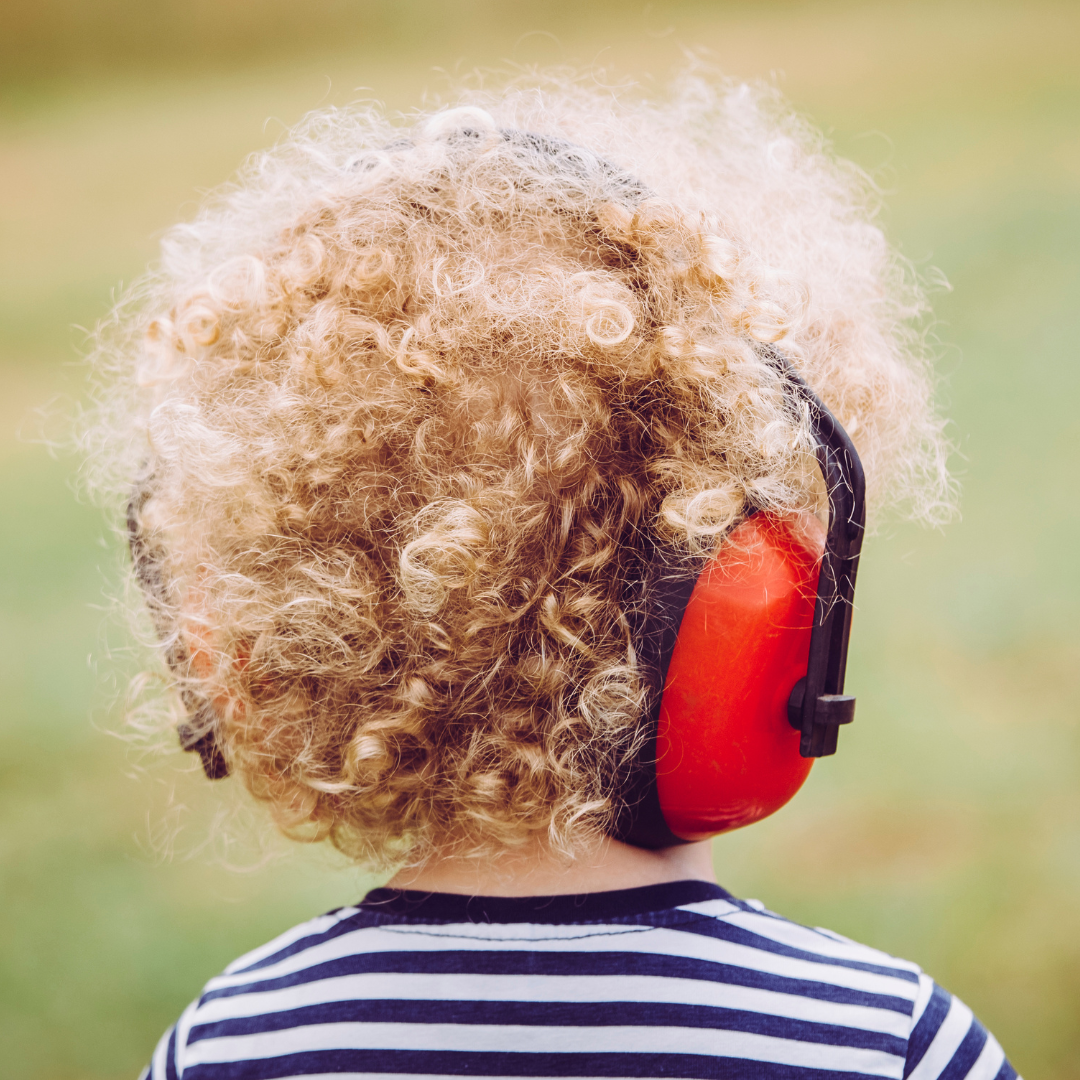
I used to love family gatherings; the laughter, the overlapping conversations, the smell of food, kids running around. But ever since my son was diagnosed with autism, those same moments have felt… different. It’s not that he doesn’t love people. He does. He just experiences the world in his own way. What feels joyful and lively to others can feel overwhelming to him the chatter, the clinking dishes, the hugs from relatives who mean well but don’t always understand his need for space. At first,
00
Surviving the storm no one else can see
Has anyone else experienced days like this? Today felt like walking straight into a storm I couldn’t escape. Every sound was louder. Every light was brighter. Even the smallest things a tag in my shirt, a sudden movement, a voice too close felt sharp enough to cut right through me. For a long time, I believed days like this didn’t “count.” I thought that unless I smiled, achieved, or looked like I was keeping up with the world, then the day was wasted. But here’s what I’ve learned: survival does

20
🎧 music as my constant companion
Music isn’t just something I listen to it’s something I live inside. As an autistic woman, it’s always been one of my strongest stims. It helps me regulate, process the things I can’t always put into words, and create a sense of safety when the world feels too sharp or overwhelming. I don’t really follow genres. For me, it’s more about chasing feelings. The one exception is classical piano, something about Chopin and Debussy seems to gently untangle the knots in my mind and bring me back to cent
319
🌍 Living Between “Normal” and “Different”
For as long as I can remember, people have tried to fit me into neat little boxes labels that never quite matched how I actually felt When I was a kid, adults would say things like, “You’re just shy, you’ll grow out of it.” But what they didn’t see was how I’d lie awake at night, replaying every word I’d said, worried I’d missed some hidden rule everyone else seemed to know. As a teenager, I’d hear, “You’re so blunt it’s refreshing!” But behind the laughs, I was quietly exhausted, trying to keep

10
Our Evenings of Echoes: Supporting My Child’s Verbal Stimming
When the sun sets, our son's voice becomes the soundtrack of our home. He doesn't speak in conventional sentences, but his unique language fills every corner with life. He repeats sounds, phrases, or even the last word he heard on his favourite TV show. Sometimes, it's just a jubilant string of syllables that dance in the air. It's a symphony that's loud, rhythmic, and beautifully unpredictable. At first, I didn't understand this melody. I tried to quiet him, worried about the whispers from the
321
My Kind of Beautiful Isn’t Always Seen — But It’s Real. Today, I want to talk a little about what it’s like living on the deeper end of the spectrum. For people like me, it means needing help with things other people don’t even think about. Sometimes I need someone to help me get dressed, or eat, or just make sure I’m safe. I don’t always speak out loud, but that doesn’t mean I don’t understand or feel things. In fact, sometimes I feel them even more deeply. When people hear “profound autism,” t
330

Carl•
About Profound Autism
Name of the medical condition and other names that it’s been known by • Profound Autism • Severe Autism • Low-Functioning Autism What is Profound Autism? Profound autism is a term used to describe a severe form of autism spectrum disorder (ASD). It is characterized by significant challenges in communication, social skills, and daily living activities. Individuals with profound autism often have: • Very limited or no speech. • A high level of dependence on others for basic tasks such as eating, d
42